General process
From symptom to a clearer next step.
The exact company workflow was not supplied, so this page describes a general way to think about a well-pump service conversation—not a promised procedure or response time.
Describe what changed
Note the household symptom: no water, low or changing pressure, unusual pump behavior, or another change you can observe.
Identify the visible system components
A technician may need to consider the pump, pressure tank, pressure controls, valves, piping, and the relationship between the well and the house. The exact scope depends on the situation.
Determine the likely source
The purpose of diagnosis is to distinguish a pump issue from other possible well-system causes before deciding whether repair or replacement is appropriate.
Discuss the appropriate work
Once the problem is understood, the next step can be discussed. No price, warranty, timing, or specific procedure is stated here because none was supplied for this project.
System context
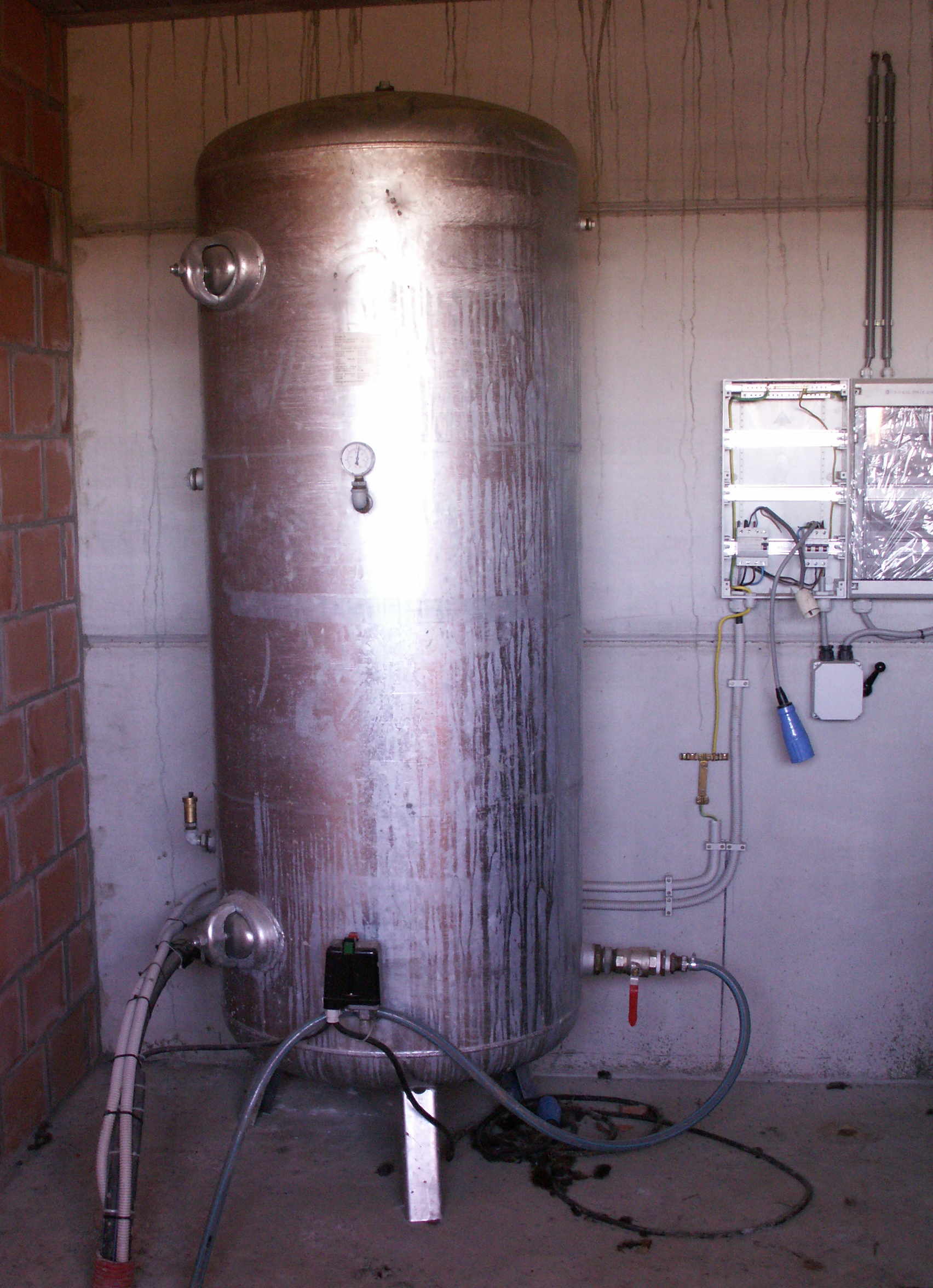
The visible tank is only one part of the story.
A pressure tank can sit alongside the controls and connected piping while the pump itself may be elsewhere in the well. That separation is one reason a symptom-led conversation is useful.
Ready for the next step?